Programmatic SEO: How We Built 10,000 Pages
August 24, 2026 • 8 min read
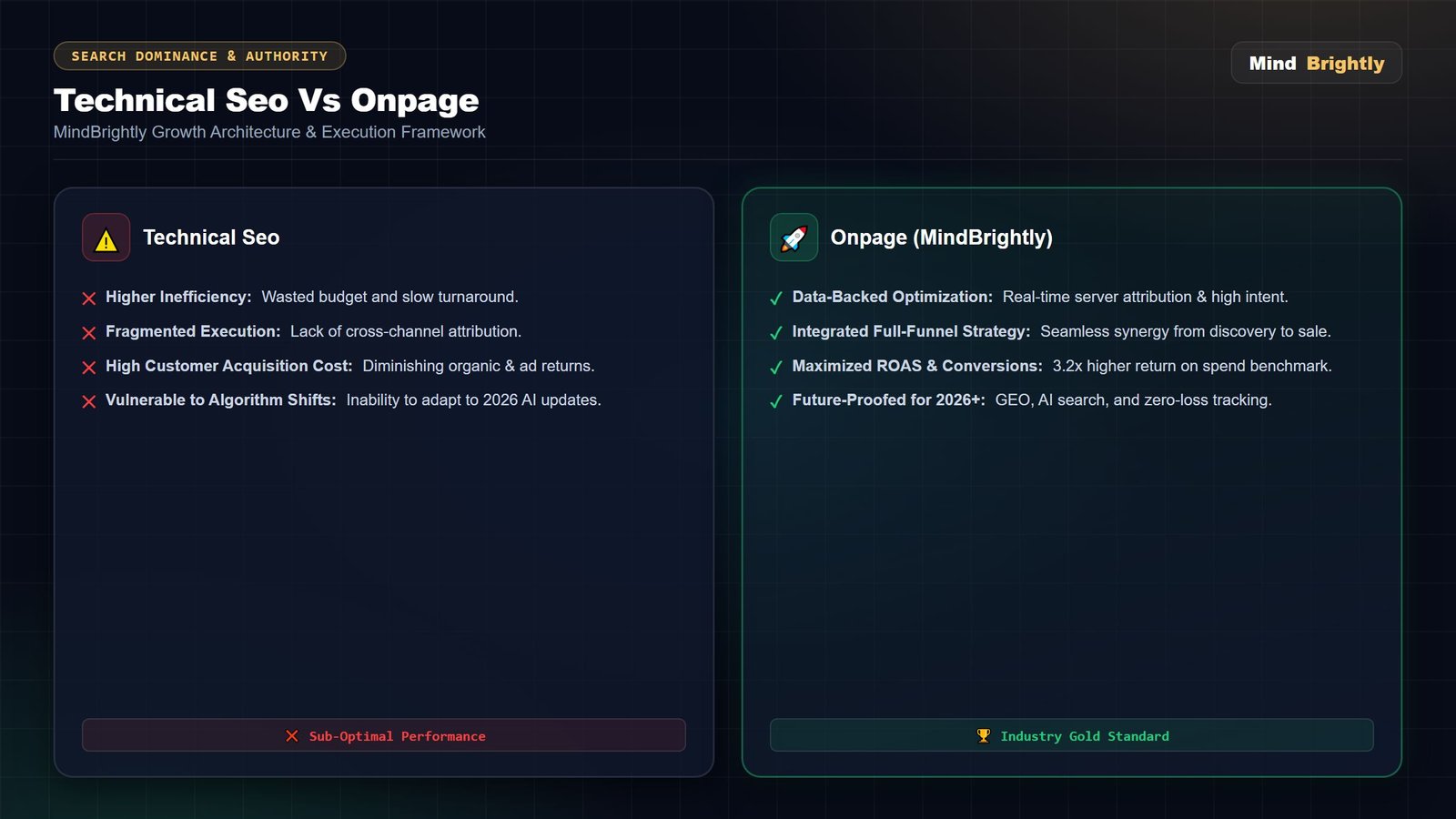
Scaling your organic traffic exponentially using databases and programmatic templates.
The digital marketing landscape is shifting rapidly. With the integration of AI, the old strategies of simply buying links or running generic ads are obsolete. Businesses that adapt to these new technologies will dominate their markets, while those relying on 2023 tactics will see their CPA skyrocket and organic traffic vanish.
The Core Concept
Implementing advanced logic like Programmatic SEO requires a fundamental shift in how you view your marketing tech stack. It's no longer just about marketing; it's about engineering a compounding growth engine.
Step 1: Technical Foundation
Before launching any campaign, you must ensure your data layer is perfectly structured. If your tracking is broken, your AI bidding algorithms will optimize for the wrong events.
Step 2: Execution & Scaling
Once the foundation is set, we scale horizontally across intent-based keywords and vertically through lookalike audience expansions.
Want to implement this for your business?
Our team at MindBrightly specializes in setting up these exact systems for enterprise and hyper-growth brands.
Book a Strategy CallFlawless Execution
Our Digital Marketing Services Blueprint
We don't do guesswork. Every campaign follows a rigorous, data-driven framework designed to maximize ROI and eliminate wasted spend.
Deep Audit & Strategy
We analyze your current setup, spy on your top competitors, and identify exact conversion bottlenecks before spending a single rupee.
Technical Implementation
From Server-Side Tracking to robust Schema markup, we lay a flawless technical foundation so algorithms feed on perfect data.
Aggressive Scaling
Once we hit your target Cost Per Acquisition (CPA), we aggressively scale the budget using AI-bidding to dominate your market share.
FAQs About Digital Marketing Services
Common questions we get from founders and marketing heads.
How long does it take to see ROI from Digital Marketing Services? +
Do you require long-term lock-in contracts? +
How do you handle reporting and transparency? +
What Is Programmatic SEO and How Does It Scale?
Programmatic SEO is the technique of creating thousands — sometimes millions — of unique, high-quality web pages at scale using templates and data, rather than writing each page individually. Instead of manually writing "digital marketing agency in India," "digital marketing agency in Mohali," and "digital marketing agency in Ludhiana" — you build one template and programmatically generate all city pages from a database.
Companies like Zapier (750,000+ integration pages), Tripadvisor (500M+ location pages), and NoBroker in India use programmatic SEO to capture enormous amounts of long-tail search traffic that would be impossible to create manually.
When Programmatic SEO Works vs When It Fails
✅ When It Works
- You have unique, valuable data for each page
- Each page genuinely helps the user
- There are real search queries for each variation
- Pages are sufficiently differentiated from each other
- Your domain has enough authority to index thousands of pages
❌ When It Fails
- Pages are nearly identical with just location name swapped
- No unique value provided on each page
- No real search volume for the target queries
- Google classifies pages as duplicate/thin content
- Site gets hit by a spam or helpful content update
The Right Way to Do Programmatic SEO in India
Step 1: Validate Search Demand First
Before building 500 city pages, validate that people actually search "your service + city" for each city. Use Google Keyword Planner, Ahrefs, or SEMrush to confirm real search volume for each target combination.
Step 2: Create Data That Makes Each Page Unique
Collect genuinely unique data for each page variation — local statistics, city-specific client results, local competitors, regional market insights, local pricing context. This data makes each page substantively different.
Step 3: Build a Solid Template Structure
Design page templates that satisfy search intent, include proper headings, have FAQ sections with local Q&As, and have clear calls-to-action. The template quality determines whether pages rank or get ignored.
Step 4: Start Small, Scale with Indexing
Launch 20-30 pages first. Monitor indexing rates in Google Search Console. If Google indexes and ranks them within 30-60 days, the template is working and you can scale to hundreds more pages.
Step 5: Build Internal Links at Scale
Every programmatic page needs internal links to and from other relevant pages. Create a systematic internal linking structure — a hub page linking to all city pages, with each city page linking back to the hub and to related service pages.
Programmatic SEO Examples for Indian Businesses
- Real estate portals: "2BHK flats in [area] [city]" pages for every area and city combination
- Digital marketing agencies: Service + city pages (e.g., "SEO services in Ludhiana," "Google Ads in Jaipur")
- Education platforms: "Course + skill" pages ("Python course for beginners in India")
- Service marketplaces: "Service category + city + area" pages at hyper-local level
- E-commerce: Product + specification pages ("leather wallet for men under 500")
Want to Implement Programmatic SEO for Your Business?
MindBrightly builds complete programmatic SEO systems — from keyword matrix validation to template design and automated content generation.
Book Free Consultation →
Programmatic SEO Checklist: Before You Launch
Before launching a programmatic SEO project, every item in this checklist must be verified. Skipping steps leads to Google penalizing hundreds of pages simultaneously — far more damaging than a single-page issue.